
The Role of Industrial Recycling in Sustainable Business Practices
- August 16, 2024
- Posted by: admin
- Category: Uncategorized
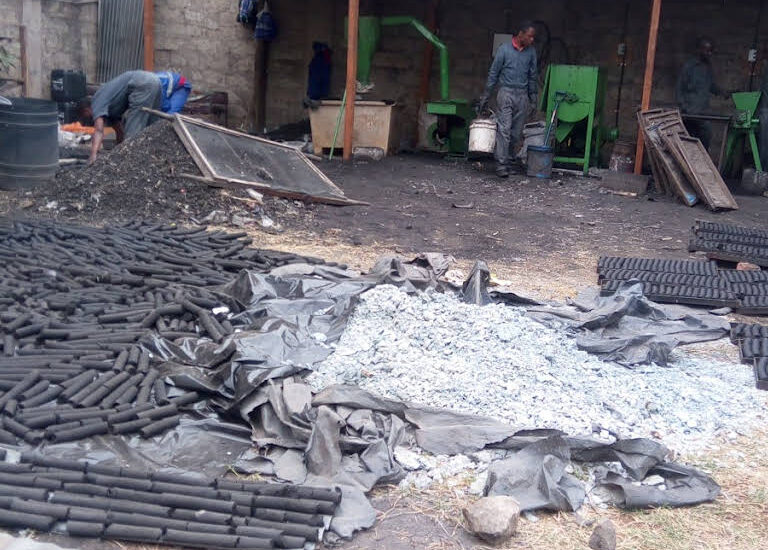
In today’s rapidly changing business landscape, sustainability is no longer a choice but a necessity. Companies are under increasing pressure to reduce their environmental footprint, and one of the most effective ways to achieve this is through industrial recycling. Industrial recycling not only helps businesses minimize waste but also turns waste into valuable resources, driving both profitability and environmental stewardship.
Understanding Industrial Recycling
Industrial recycling involves the process of converting waste materials generated by industrial activities into reusable materials. Unlike consumer recycling, which focuses on household items like plastic bottles and paper, industrial recycling deals with larger-scale waste such as metals, chemicals, and manufacturing byproducts. These materials, once considered waste, can be repurposed and reintroduced into the production cycle, reducing the need for raw materials and lowering overall production costs.
Benefits of Industrial Recycling
The benefits of industrial recycling extend beyond environmental impact. For businesses, it can lead to significant cost savings. By recycling materials, companies can reduce the expense associated with waste disposal and the purchase of new raw materials. Additionally, recycling processes can often generate byproducts that can be sold, creating new revenue streams.
Moreover, companies that prioritize recycling and sustainability can enhance their brand reputation. In an era where consumers and investors are increasingly environmentally conscious, businesses that demonstrate a commitment to sustainability are more likely to attract loyal customers and investment.
Implementing Industrial Recycling
For companies looking to implement industrial recycling, the process begins with a thorough assessment of their waste streams. Identifying what materials can be recycled and how they can be repurposed is crucial. This may involve partnering with recycling firms or investing in in-house recycling technology.
Education and training are also essential. Employees at all levels should understand the importance of recycling and be equipped with the knowledge to handle materials correctly. Creating a company culture that values sustainability will ensure that recycling practices are consistently followed.
Real-World Examples
Many companies have successfully integrated industrial recycling into their operations. For instance, large manufacturing firms have developed closed-loop systems where waste materials from one process are used as inputs for another. This not only reduces waste but also creates a more efficient production process.
Another example is the construction industry, where materials like concrete and steel are often recycled and reused in new projects. This approach not only conserves resources but also reduces the environmental impact of construction activities.
Conclusion
Industrial recycling is a powerful tool for businesses looking to enhance sustainability while improving their bottom line. By turning waste into resources, companies can reduce costs, generate new revenue, and build a strong reputation for environmental responsibility. As the demand for sustainable practices continues to grow, businesses that embrace industrial recycling will be better positioned to succeed in the future.